

- This event has passed.
Sharp Eyes for Risk — The Real Capabilities and Limits of AI-Assisted Investing
June 22 @ 2:30 pm - 4:30 pm
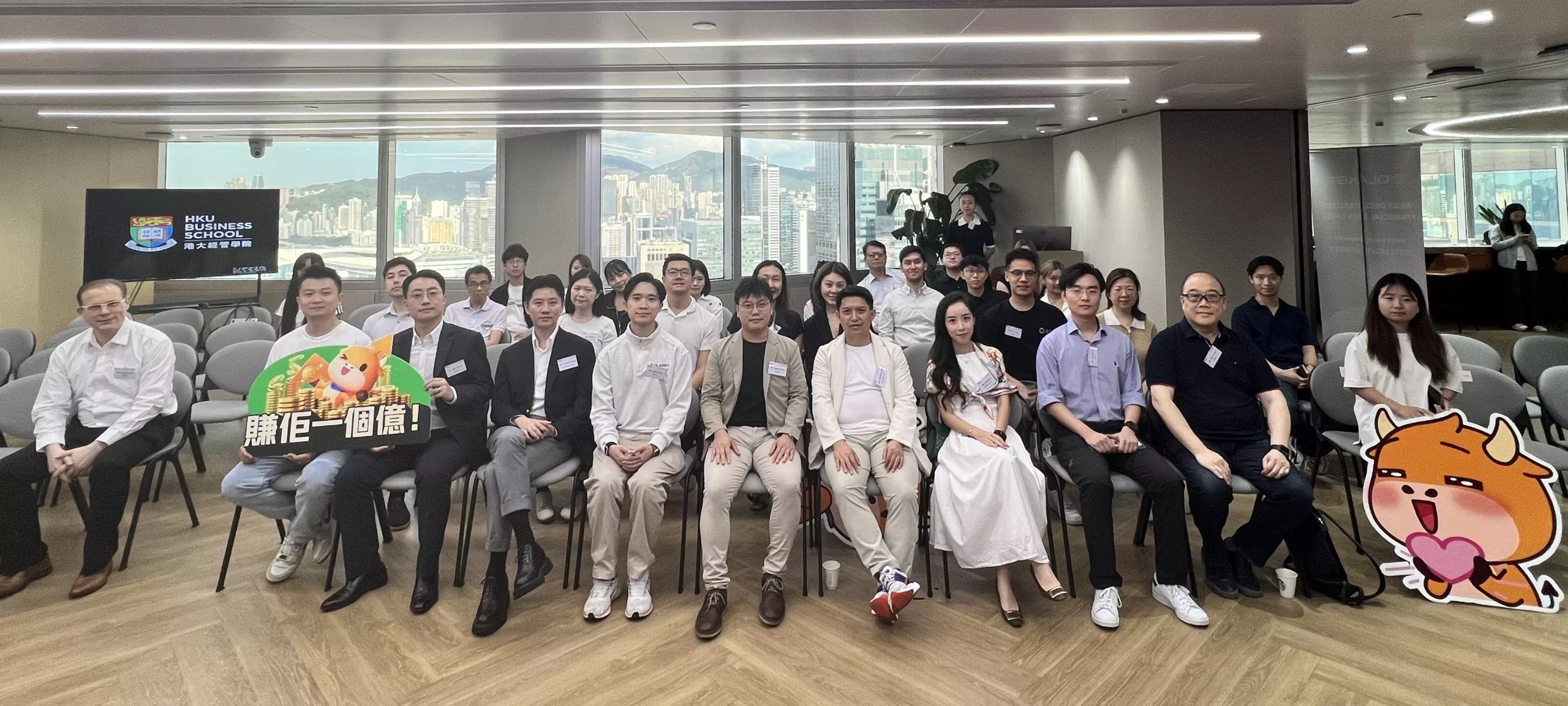
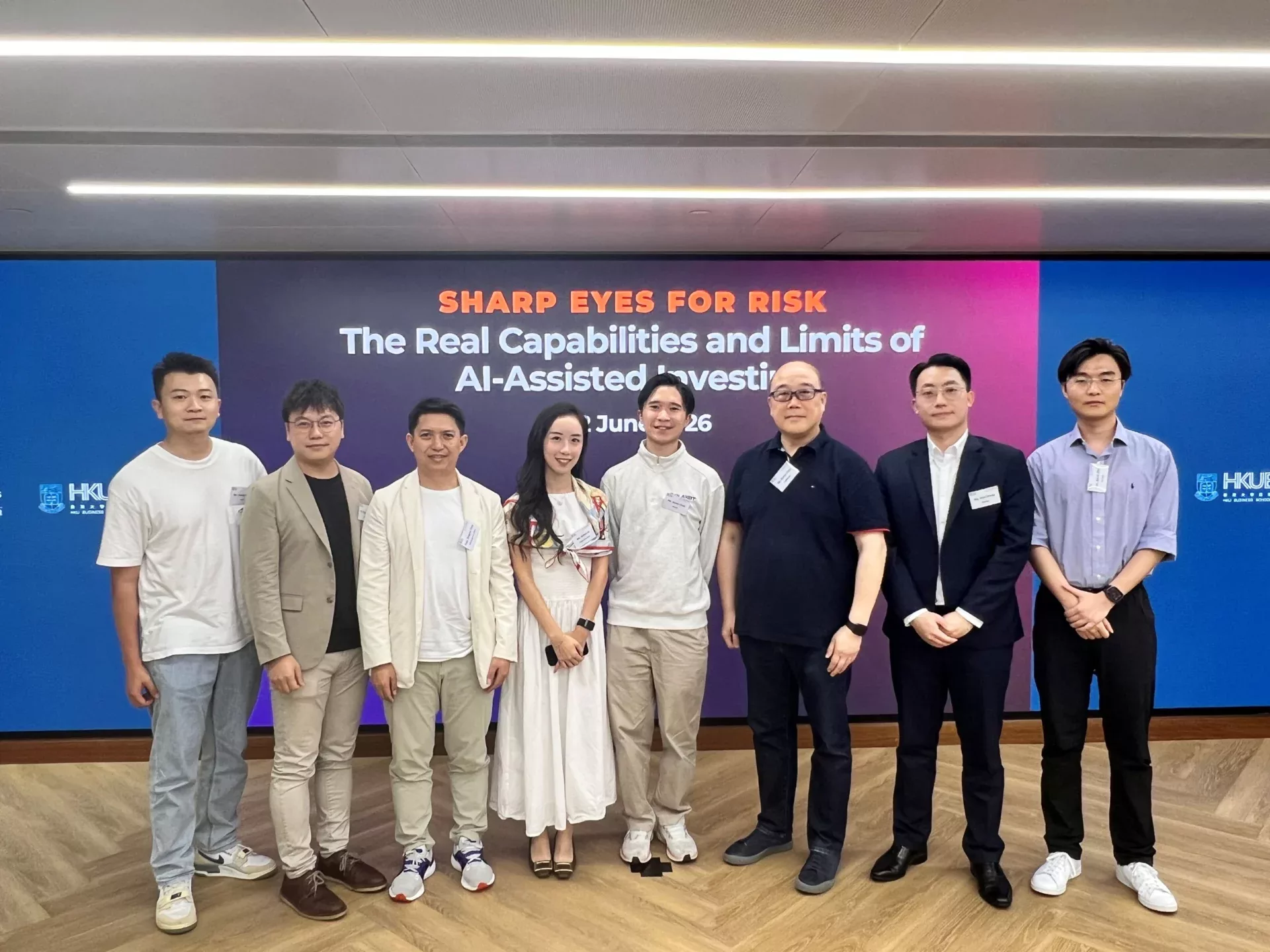
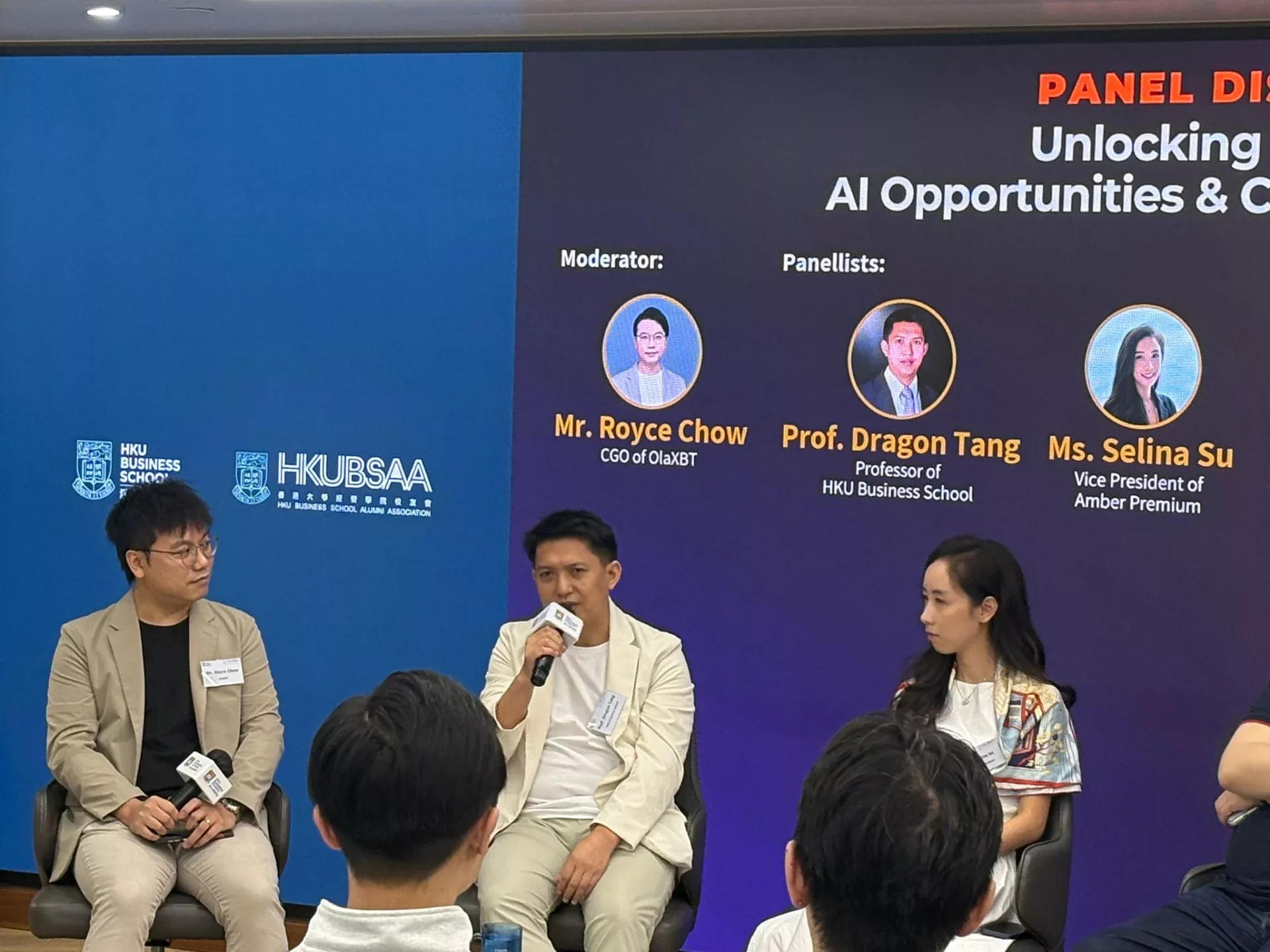
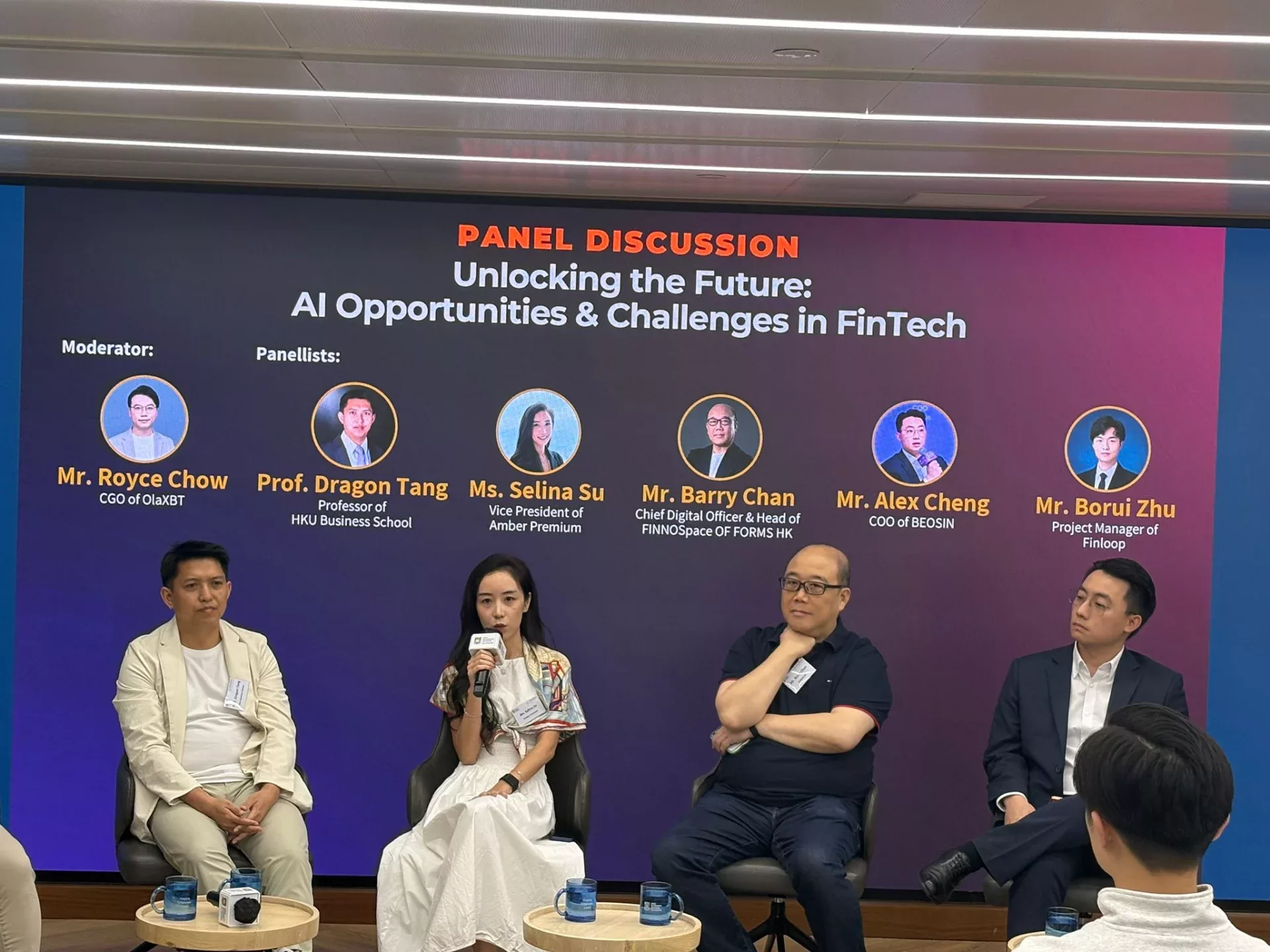
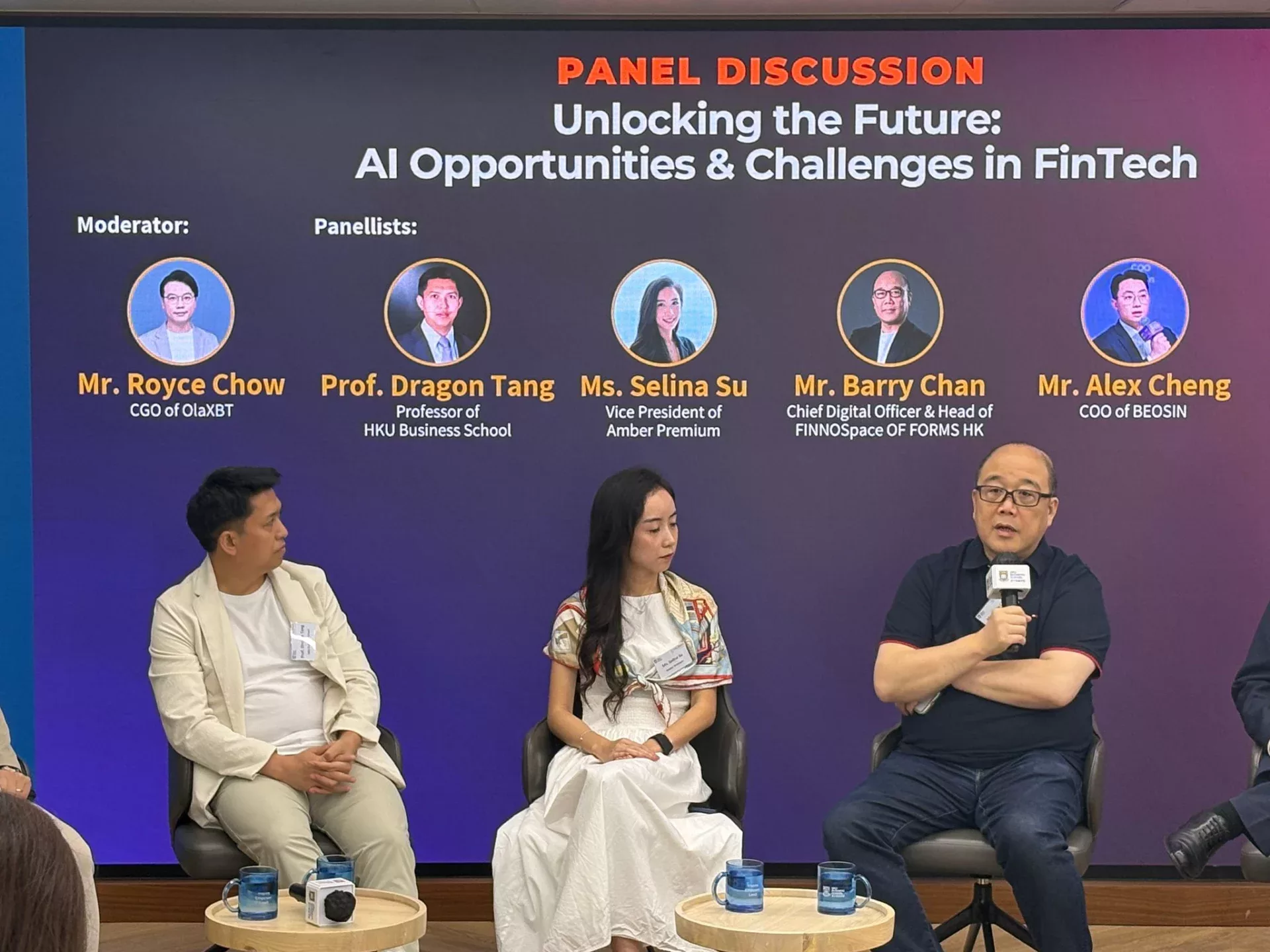
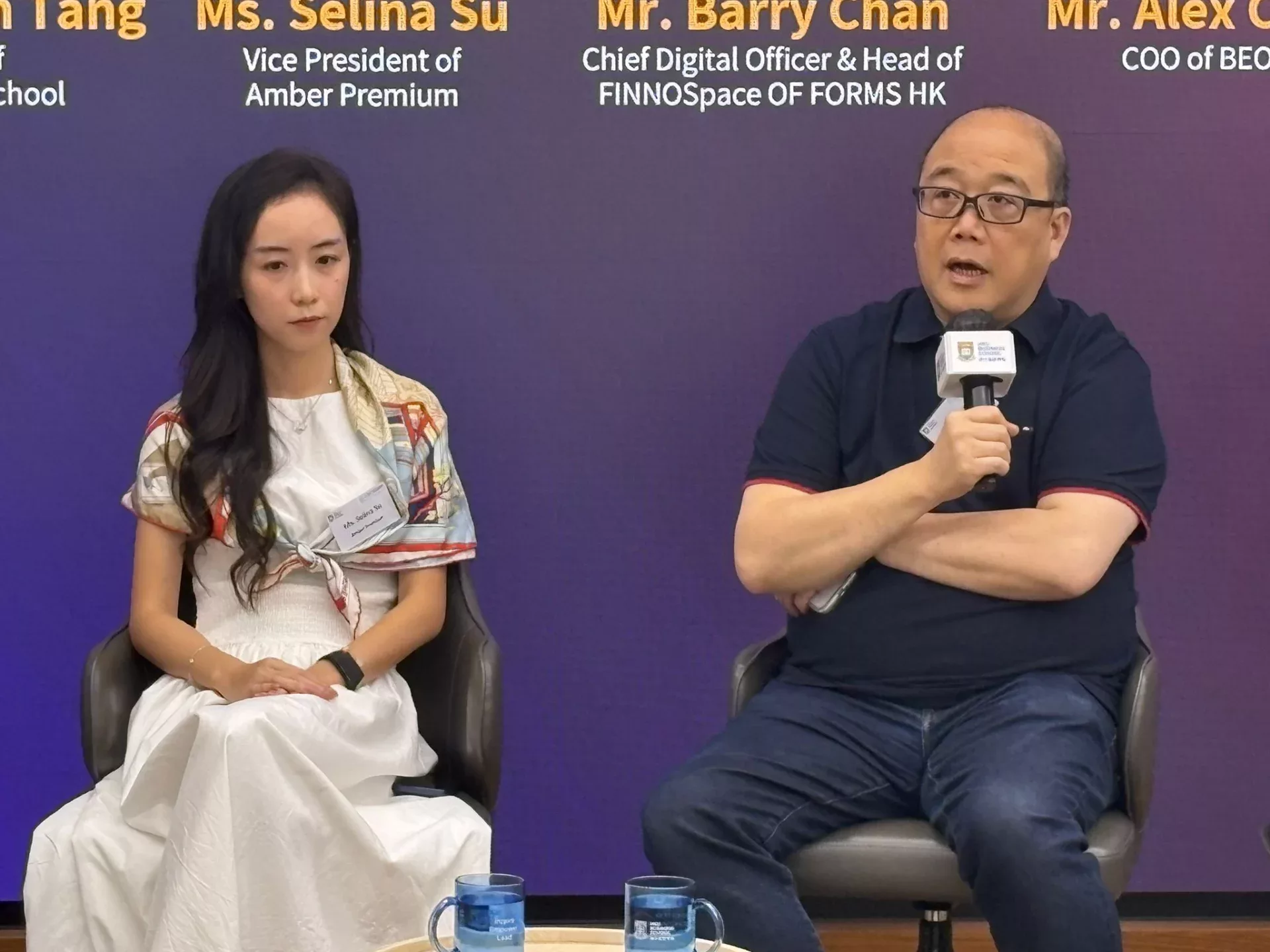
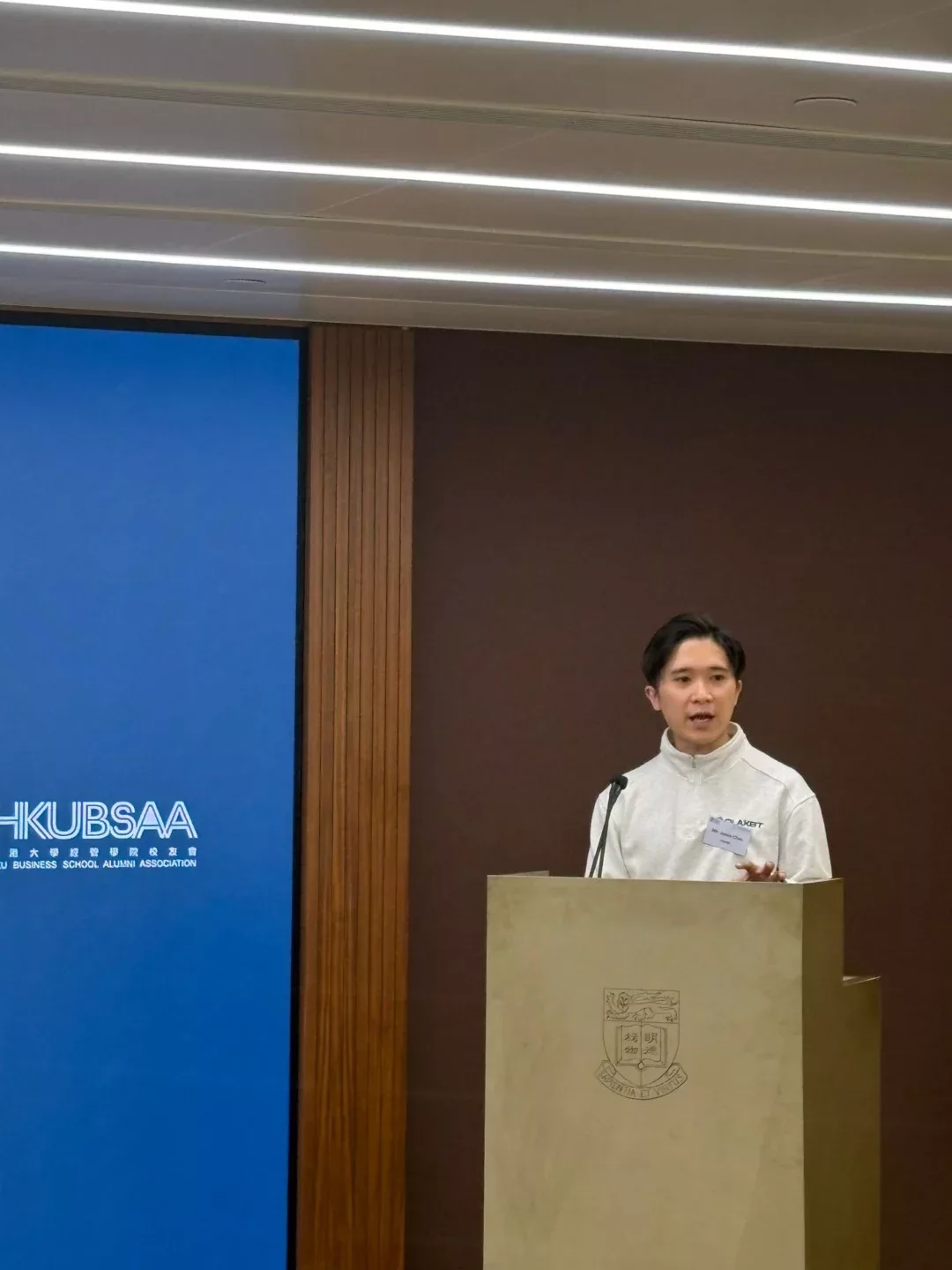
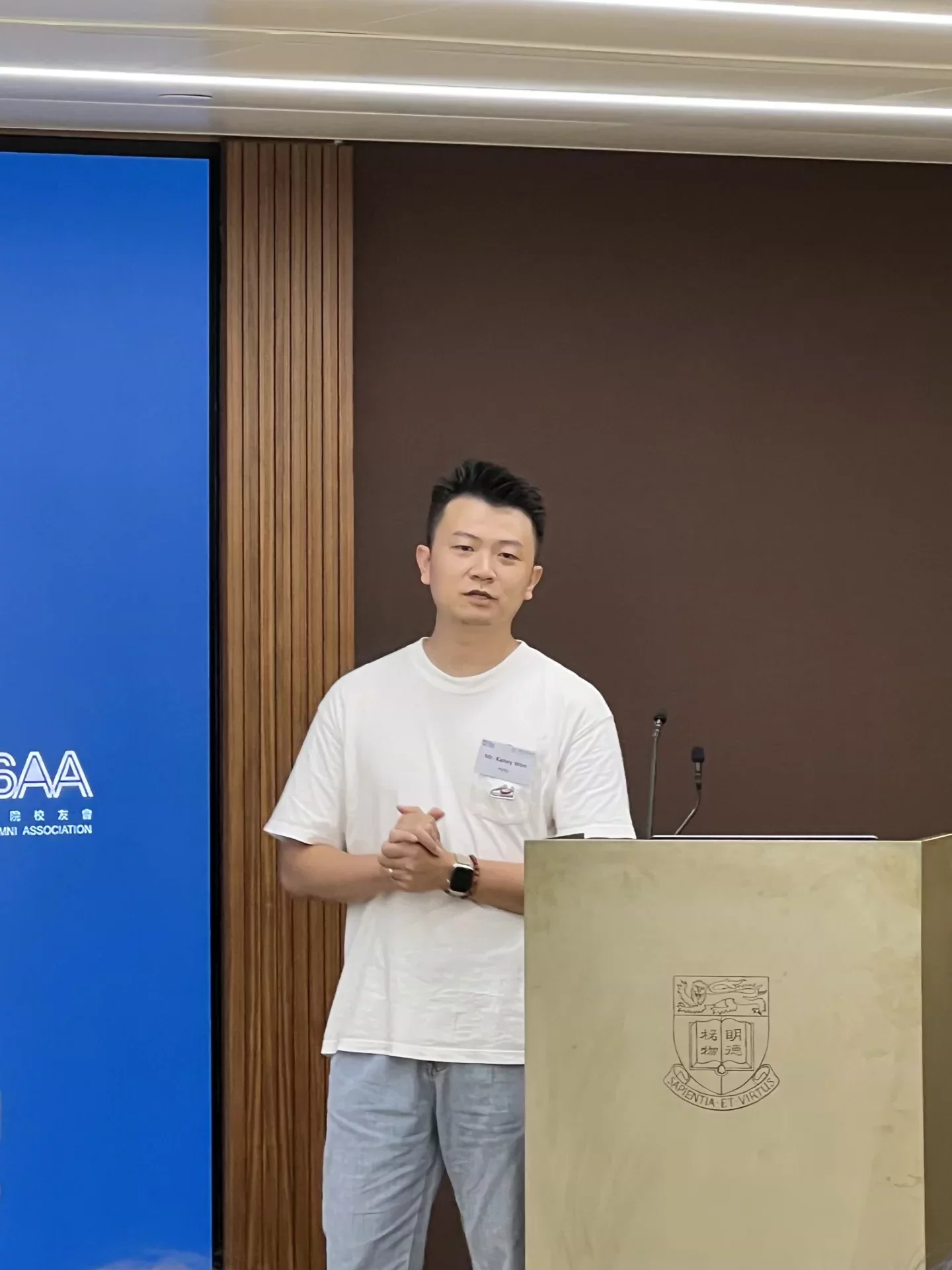
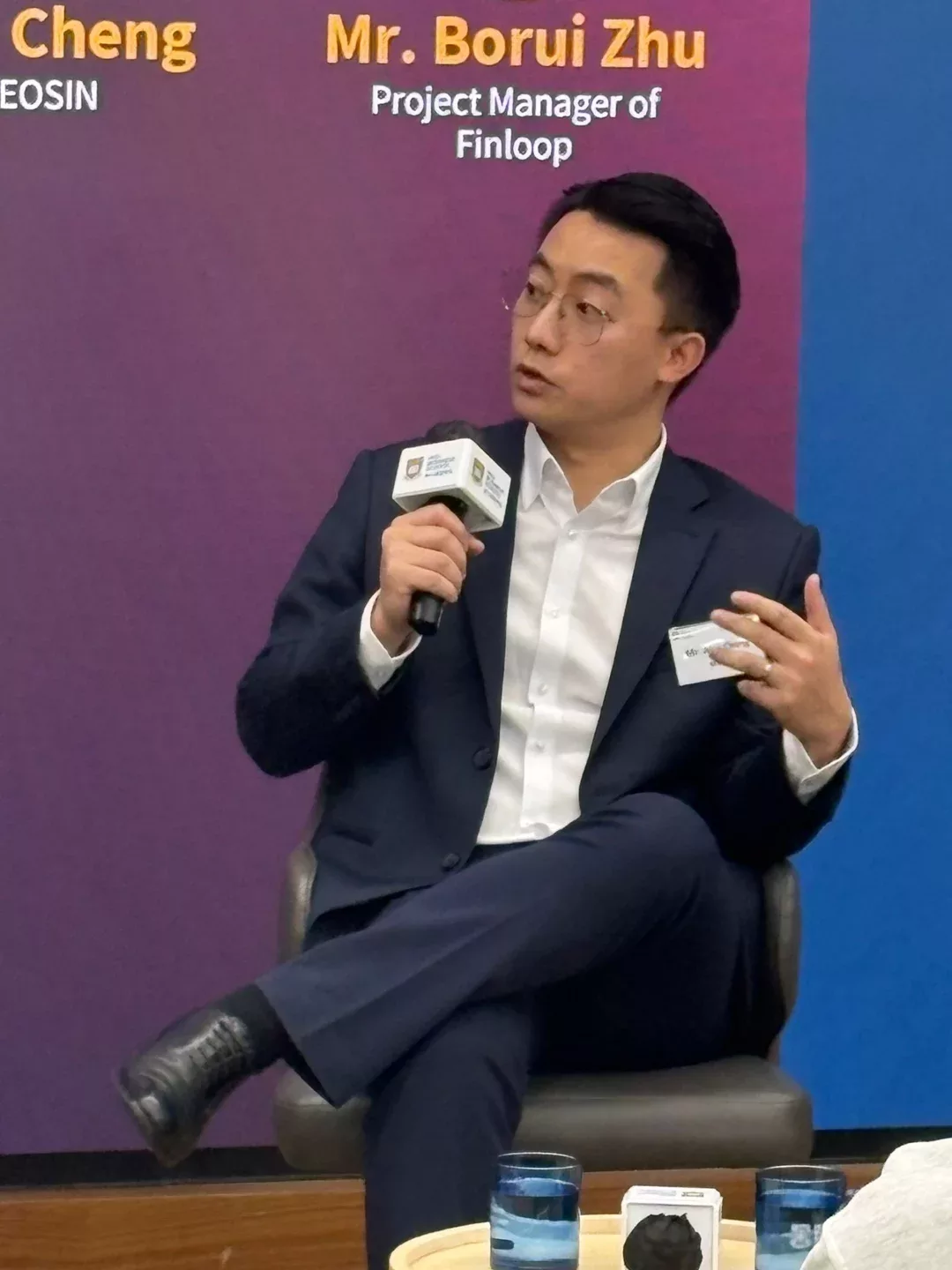
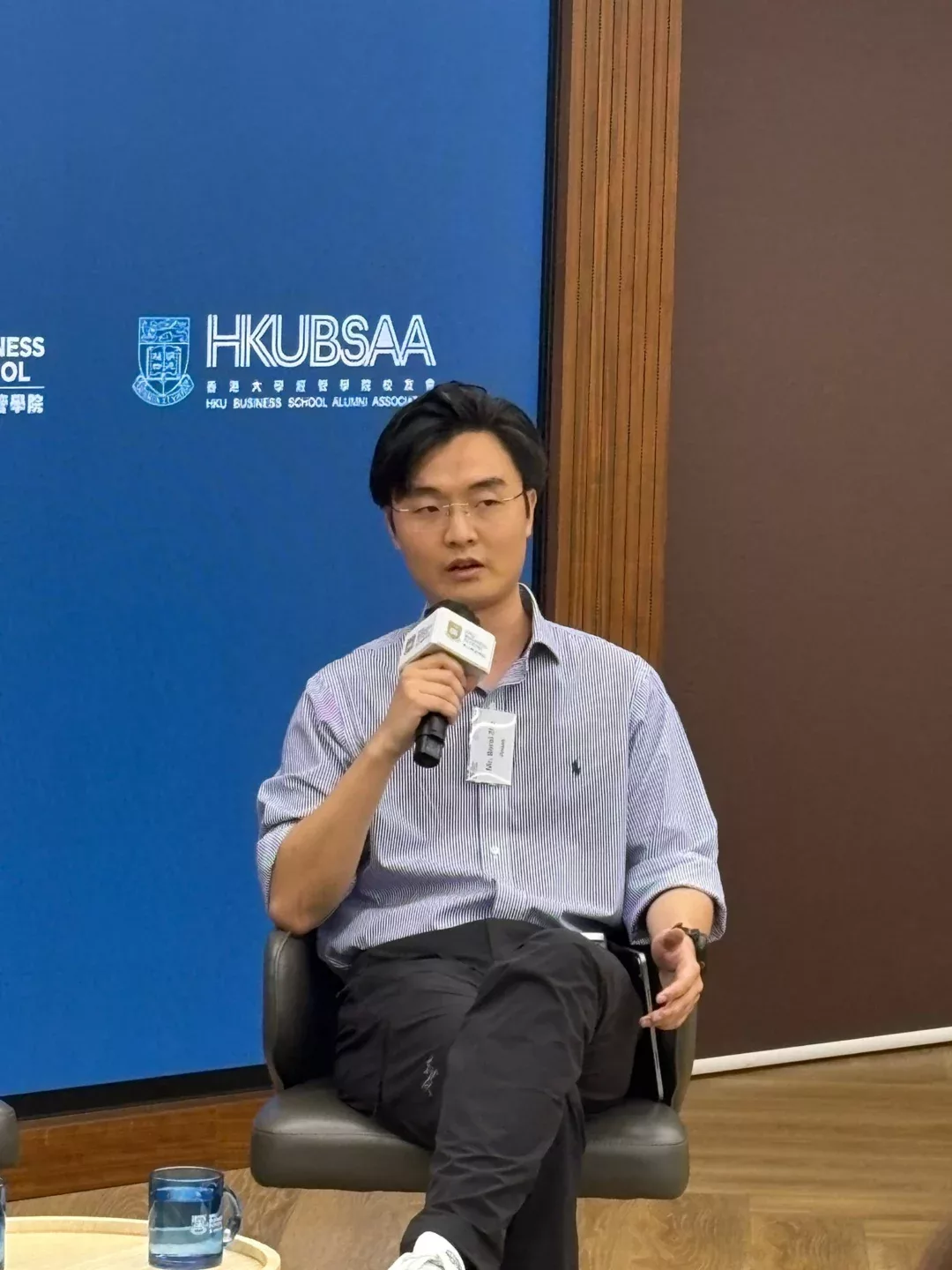
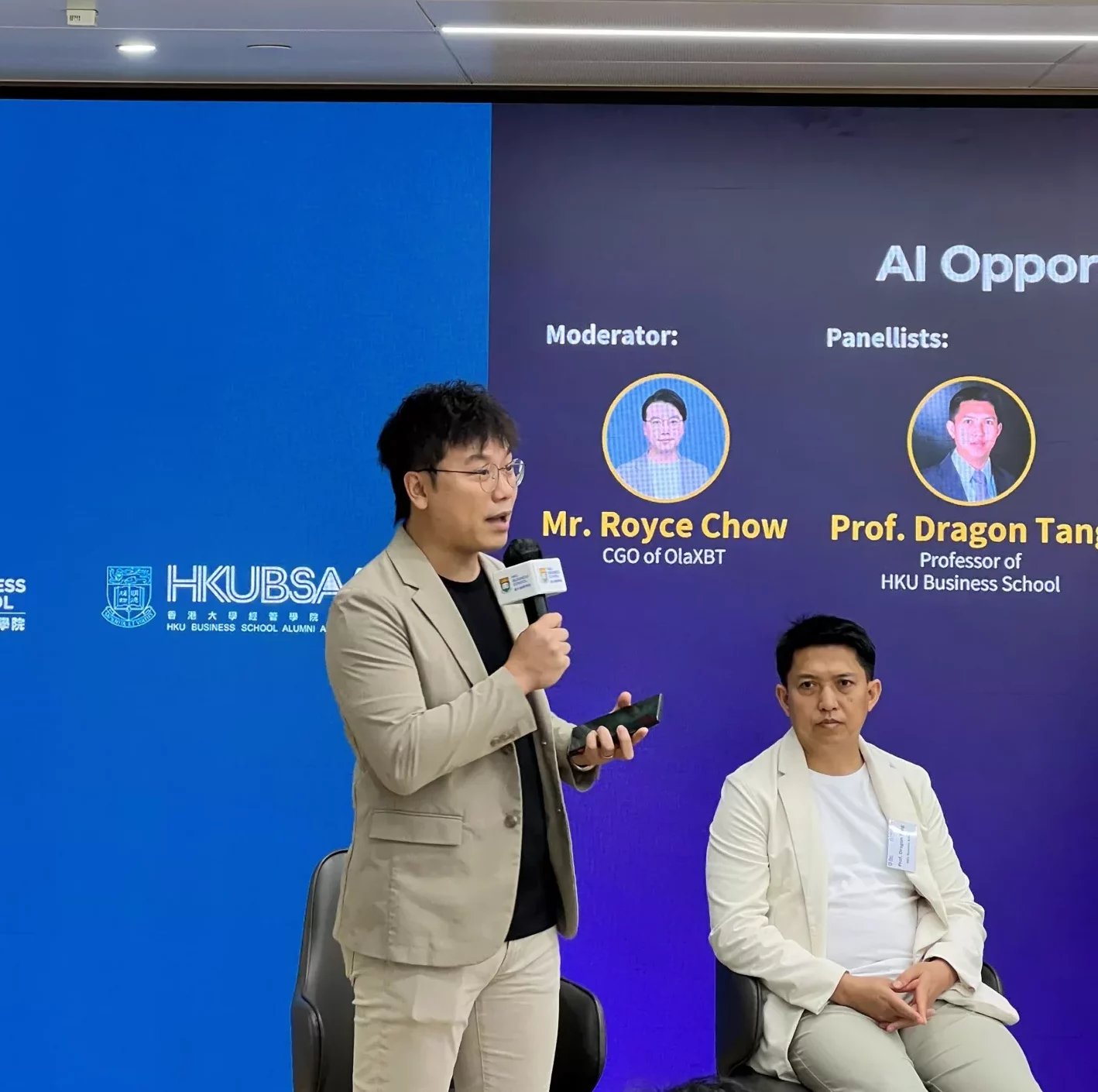
On 22 June 2026, in collaboration with HKU Business School, we hosted an AI investment seminar at HKU iCube. The event brought together alumni, students, industry practitioners and academics to explore how AI is reshaping investment research, risk management and the broader FinTech landscape.
The event opened with a sharing session by Mr. Jason Chan, Founder & CEO of OLAXBT, who introduced the concept of agentic investment and research. He emphasised that the true moat of agentic trading does not lie solely in the underlying AI models, but in the broader system design — including the harness around the model, context management, risk guardrails and robust execution workflows.
This was followed by Mr. Kaney Wen, Senior Strategy Manager at Futu Holdings Limited, who spoke on quantitative analysis and trading. He discussed momentum strategies, factor-based frameworks and how AI tools can lower the barrier to entry for retail investors when they are combined with clear, disciplined market frameworks and sound risk management.
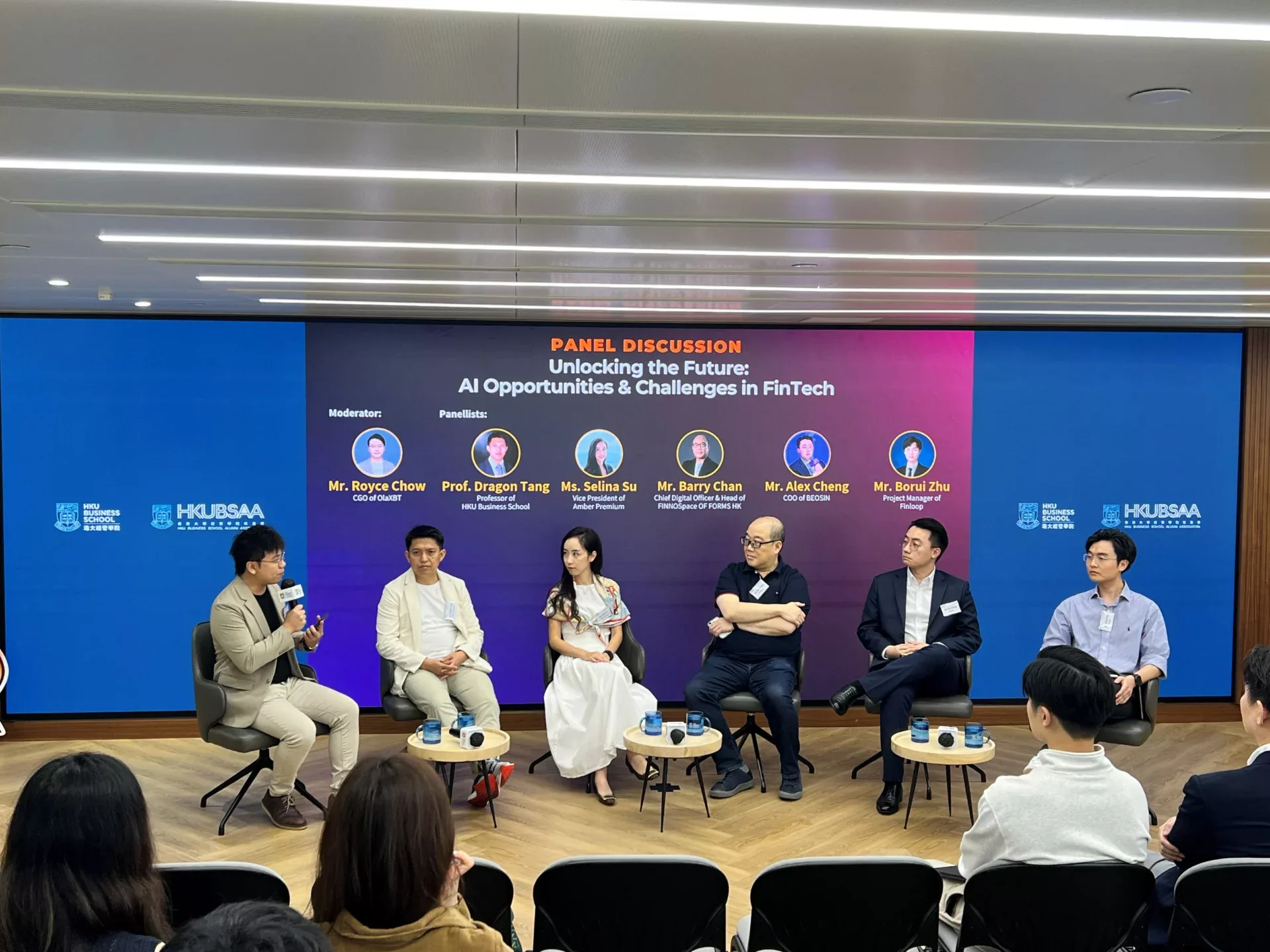
A panel discussion on “AI Opportunities & Challenges in FinTech” was moderated by Mr. Royce Chow, CGO of OLAXBT and HKUBSAA Executive Committee Member. The panel featured:
- Prof. Dragon Tang, HKU Business School
- Mr. Barry Chan, FORMS HK / FINNOSpace
- Ms. Selina Su, Amber Premium
- Mr. Alex Cheng, Beosin
- Mr. Borui Zhu, Finloop
Each panellist shared perspectives from different parts of the finance and FinTech ecosystem:
From an academic finance perspective, Prof. Dragon Tang encouraged participants to actively embrace AI as part of the investment research toolkit, reminding the audience that AI-generated insights should still be validated through human intuition, domain knowledge and disciplined reasoning.
Mr. Barry Chan highlighted AI’s impact on information inequality. He discussed how AI may make financial information more accessible, but may also create a new form of inequality between users who can critically evaluate AI-generated information and those who passively consume it.
From a digital asset and infrastructure angle, Ms. Selina Su shared how AI agent infrastructure can support digital asset research, market intelligence and institutional workflow automation. Her perspective demonstrated how AI-native infrastructure is moving from concept to practical application in digital asset markets, while still requiring strong risk awareness and human oversight.
Representing a Web3 security perspective, Mr. Alex Cheng emphasised the importance of transforming raw data into high-quality, well-labelled data through effective and reliable methods. He highlighted that AI-driven insights are only as useful as the quality and structure of the underlying data, especially when applied to risk detection, compliance and security monitoring.
Bringing a product and user experience lens, Mr. Borui Zhu discussed how FinTech platforms can build reliability and trust into AI-powered experiences. He emphasised that responsible AI adoption is not only about adding new features, but about designing trustworthy workflows that help users understand, verify and act on information more responsibly.
Across the seminar and panel discussion, several key messages emerged:
- The next competitive edge in AI-assisted investing may come less from accumulating more signals and more from building better context, stronger verification and disciplined frameworks around AI tools.
- Responsible AI workflows, transparency and user education are essential to ensure that AI augments — rather than replaces — sound investment judgement.
- AI can help investors identify risks earlier, organise information more efficiently and ask better questions, but human oversight and accountability remain indispensable in financial decision-making.
Special thanks go to Mr. Royce Chow, HKUBSAA Executive Committee Member, for leading the event and fostering closer engagement between alumni, students and industry partners.